
Daniel Ek
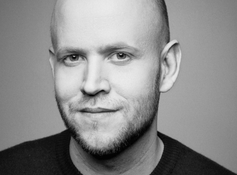
Daniel Ek, passionate about music, tech, and business from a young age, built his first company at 13. He later revolutionized music with Spotify and is now tackling health with Neko Health. His mission: back moonshot tech that benefits humanity and the planet.
 Stockholm, Sweden

Interests





Bio
From an early age, Daniel Ek was passionate about music, computers and entrepreneurship. A disrupter from the start, he built his first business at age 13. Just a few years later, he revolutionised the music industry with Spotify, and is doing it again in the wellbeing space with Neko Health. His life's mission is to support "moonshot" technologies that help humanity and the the world.
Daniel Ek was born 21st February 1983 to a nursery worker mother in Rågsved, south of Stockholm. The area was rough but his mother encouraged him to take up the pentathlon: swimming, fencing, horse riding, pistol shooting and running, which Daniel credits for helping him to focus. He comes from a musical family: his maternal grandparents were an opera singer and jazz pianist.
Daniel was given a Commodore 20 computer by his stepfather, who worked in IT, aged five, and taught himself to code within two years. In 1997, he launched his first business, making websites for local businesses. The going rate back then was around $50,000 for a build but he charged just $5,000. He recruited his teenage friends, training the mathematicians in HTML and the artists in Photoshop. At its height, this business made $50,000 in a single month. Daniel also bought some servers, diversifying into web hosting.
At 16, he applied to be an engineer at Google but was rejected because he didn’t have a degree. He enrolled in Sweden’s Royal Institute of Technology to study engineering but dropped out after just eight weeks.
A gifted technologist, coder, and internet savant, Daniel went on to hold senior roles at Nordic auction company Tradera, which was acquired by eBay in 2006, and browser-based fashion game Stardoll. He carved his own path in 2005, founding ad tech start-up Advertigo. The technology he created was so useful that his main client, Tradedoubler, bought the business a year later.
Daniel was just 23 when sold his business, becoming a millionaire. He bought a red Ferrari and decided to retire - but his newfound wealth left him questioning his purpose, and he experienced a bout of depression.
Martin Lorentzon, chairman of Tradedoubler, took his company public in 2005. A year later, he too needed a new challenge. He was intrigued by Daniel’s idea to create a new way to listen to music, inspired by the success of Napster. Unlike Napster, which allowed people to share music illegally, this platform would pay artists for each play.
The pair began working on the new concept out of Daniel’s apartment. The name came about after Daniel misheard a suggestion from Martin and typed “Spotify” into Google. When there were no results, the pair decided to keep the name. It took two years to get the music labels to play ball; the pair had to demo their software with pirated software to get the execs to take them seriously. The founders invested $7m between them into the venture. In 2008, Spotify launched in Scandinavia, UK, France and Spain. It would take a further three years to go live in the US.
Today, Spotify is the world’s number one music streaming service, with 678m users, including 268m subscribers in more than 180 markets. Today, Spotify offers more than music, with social tools, millions of podcasts and audiobooks, and even an AI-powered DJ. Daniel remains CEO and chairman of the $14bn-revenue business, which has 7,300 staff. Spotify pays out around two-thirds of every dollar earned to music labels and rights holders.
In 2018, Daniel was ready for a new project. He had spotted an opportunity to leverage wearable technology and AI to make strides in preventative medicine. He approached a fellow Swede, the renewable energy entrepreneur Hjalmar Nilsonne, via X (then Twitter) asking to collaborate. At first, Hjalmar said no; hailing from a family of doctors and medical scientists, he wanted to forge his own path.
Nevertheless, the pair met for coffee and kept on meeting until they had thrashed out the idea for Neko Health, which offers full-body scans for £299 designed to detect potential health problems before they become serious. The name Neko comes from the Japanese word for “cat,” because cats have nine lives, and the company gives customers “lucky breaks” through early detection and prevention.
The first clinic opened in Stockholm in 2023 following five years refining the technology. By 2025, there were two clinics in Sweden, and two in London and the waiting list stood 100,000 names long. It was valued at more than $1bn following its Series B round of funding in a round led by Lightspeed Venture Partners.
Daniel is also a philanthropist, dedicated to supporting the “moonshot” technologies of tomorrow. In 2015, Daniel Ek co-founded the Brilliant Minds Foundation, which supports ventures that make the world more sustainable, creative, or inclusive. In 2020, Ek pledged to invest €1bn of his personal wealth into European deep tech start-ups over the next decade. Through his investment company, Prima Materia, supports ambitious projects across machine learning, biotechnology, and renewable energy.
Daniel married wife Sofia in 2016 and the couple have two daughters, Elissa and Colinne. Ek’s username on X is not his actual name, but a Swedish word: eldsjal, meaning “fiery soul”.
Impact
696M+
Spotify users


239M+
App downloads
4
Companies Founded


3
Sectors disrupted

$132B+
Recent valuation
2+
Philanthropic initiatives


276M+
Customers served
Life Story
Born & Raised
Daniel was born on the 21st February 1983 to a nursery worker mother in Rågsved, south of Stockholm.
World Map
Stockholm, Sweden
SE
Daniel grew up in the Rågsved district, a working class neighbourhood in Stockholm, Sweden. Daniel still lives in Stockholm today, and Spotify is headquartered here.
Press
Forbes
Why Spotify’s New Management Structure May (Or May Not) Work
9th October 2025

The Wall Street Journal
Spotify Founder Daniel Ek Leaving CEO Job
4th October 2025
Reuters
Spotify founder Ek to step down as CEO to focus on long-term strategy
4th October 2025
Morning Brew
Spotify CEO will step down, and 2 new co-CEOs will step in
4th October 2025

Reuters
Five things to know about Spotify's new co-CEOs
4th October 2025

Reuters
Spotify founder Daniel Ek pivots from music to European tech ventures
3rd October 2025

Financial Times
Daniel Ek, the Spotify founder who wants to stay in control
3rd October 2025

Financial Times
Spotify CEO Daniel Ek to step down as music streamer splits role
30th September 2025

Forbes
Why Spotify CEO Daniel Ek Is Stepping Down After Nearly Two Decades
30th September 2025

CNBC
Spotify founder Daniel Ek stepping down as CEO, company names co-CE...
30th September 2025

Npr
Spotify's Daniel Ek announces that he'll step aside as CEO
30th September 2025

TechCrunch
Spotify’s founder and CEO Daniel Ek is stepping down
30th September 2025

Fortune
Spotify founder Daniel Ek once said he was the ‘least powerful pers...
30th September 2025

Forbes
Spotify Shares Drop After Founder Ek Exits
30th September 2025

Far Out
Spotify CEO, Daniel Ek, becomes chairman of AI military start-up...
20th June 2025
CNBC
Spotify’s Daniel Ek leads $694 million investment in defense startup
17th June 2025
Musicbusinessworldwide
Spotify has reached 100m paying subscribers in Europe
27th May 2025
Musicbusinessworldwide
Daniel Ek has now cashed out $800m+ in Spotify stock
6th May 2025
nypost.com
Daniel Ek’s vision for the future of Spotify
2nd May 2025
Tech Radar
'Our existing subscriptions are plenty enough for us'
30th April 2025
Musicbusinessworldwide
Spotify Q1 2025 earnings call: Daniel Ek talks growth, pricing
30th April 2025
Spotify
Spotify Reports First Quarter 2025 Earnings
29th April 2025
Music Business Worldwide
Spotify CEO Daniel Ek continues share sale streak
17th April 2025
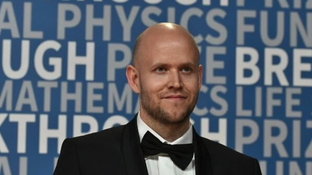
The Times
Spotify’s co-founder backs a hit with preventive body scans
11th April 2025
Music Business Worldwide
Daniel Ek has made $724m so far from selling Spotify shares
20th March 2025
Bloomberg
Spotify CEO Urges EU to Hit Apple for Flouting Big Tech Law
26th February 2025
www.ft.com
Daniel Ek’s Neko raises $260mn in push to be Apple of healthcare
23rd January 2025
Fortune
Daniel Ek’s body scanning startup hits £1.4 billion valuation
23rd January 2025
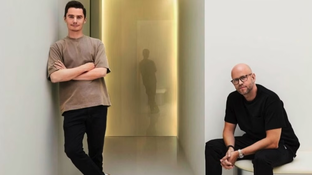
Nekohealth
Neko Health raises $260m Series B
23rd January 2025
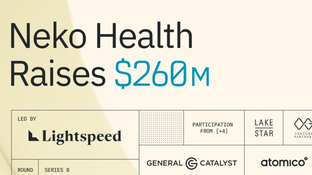
Musicbusinessworldwide
Daniel Ek has cashed out over half-a-billion dollars in Spotify stock
9th January 2025
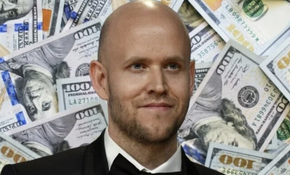
The Times
Spotify’s Daniel Ek: ‘I thought, why am I not saving lives?’
5th September 2024
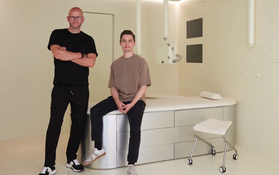
TechCrunch
Neko Health opens in London
3rd September 2024
MusicTech.com
Daniel Ek confirms “deluxe version” of Spotify is coming soon
24th July 2024
musically.com
Daniel Ek signals plans for ‘a much better version of Spotify’
24th July 2024
Inc
Spotify’s CEO Just Taught a Powerful Lesson in Leadership.
5th September 2023
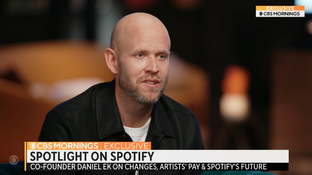
CBS News
Spotify CEO explains issue of artists' pay
9th March 2023
Seekingalpha
Spotify Technology S.A. (SPOT) CEO Daniel Ek on Q2 2022
27th July 2022
Spotify
Spotify Shares Our Vision To Become the World's Creator Platform
8th June 2022
Music Business Worldwide
Daniel Ek: 3 things we learned from the Spotify CEO’s interview today
24th September 2020
Media
Career Milestones
Prima Materia
Prima Materia is a European company founded by Daniel Ek and Shakil Khan that builds and develops new companies for the long term, leveraging technology to drive progress in areas that matter most to society.

2021 – Present

Neko Health
2018 – Present

Spotify
A global audio streaming subscription service.
2006 – Present

μTorrent
2006

Advertigo
An adtech start-up helping customers track and measure digital marketing. Acquired by Tradedoubler
2005 – 2006

Stardoll
A fashion and entertainment community for pre-teens
2005 – 2006
Tradera
2005 – 2006
Early Stage Investments
Advisory & Mentoring

Brilliant Minds Foundation
2015 – Present
 Stockholm
Brilliant Minds Foundation
A global platform for creative individuals, formed to support founders with transformative ideas
2015 – Present
Stockholm


Spotify
2008 – Present
Stockholm
Spotify
A global audio streaming subscription service.
2008 – Present
Stockholm
Philanthropy
Founders Brands Limited
180 Strand, 2 Arundel Street, London,
United Kingdom, WC2R 3DA
Company number: 15716753
VAT number: 487 5152 58
© 2025 Founders File