
 All Posts
Last updated on October 30, 2025
As the healthcare industry becomes more autonomous, there’s a fear that advancing technology will strip away human compassion from caregiving. But what if we could build AI that actually enhances empathy?
Modern technology is transforming global healthcare. AI and empathy might seem like opposing forces, but the future of care-giving depends on getting this balance right.
Can AI and empathy scale together? The world’s leading AI and health tech founders at at Founders Forum Global shared their views.
Founder Spotlights:
Toyin Ajayi, Cityblock Health

HQ: New York, US
Stage: Series C
Total Funding: $915m
FFs Attended: 6
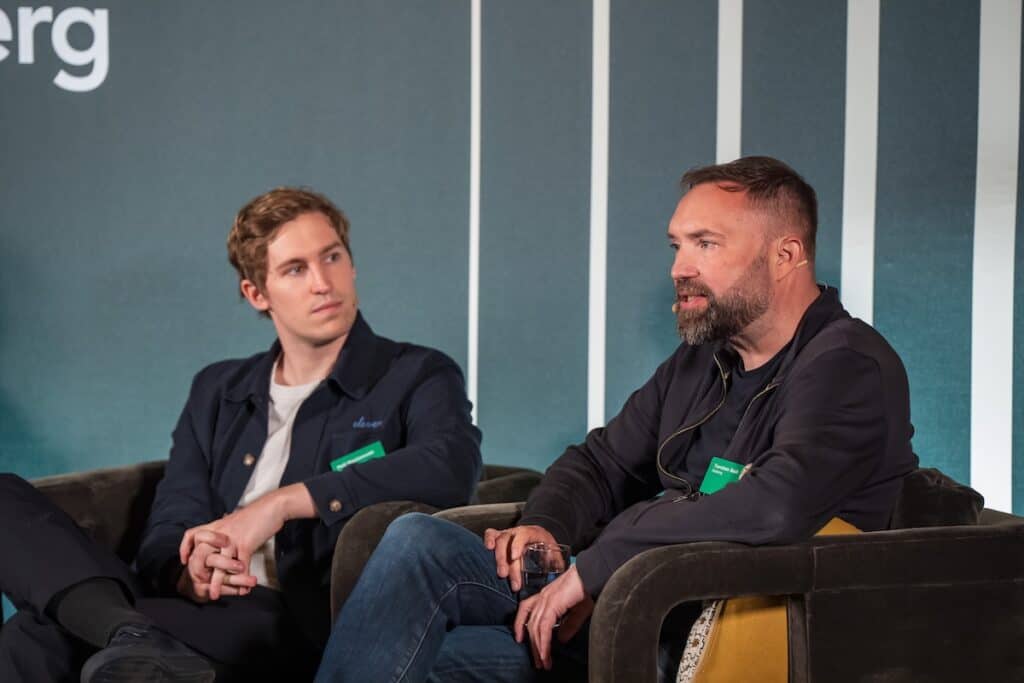
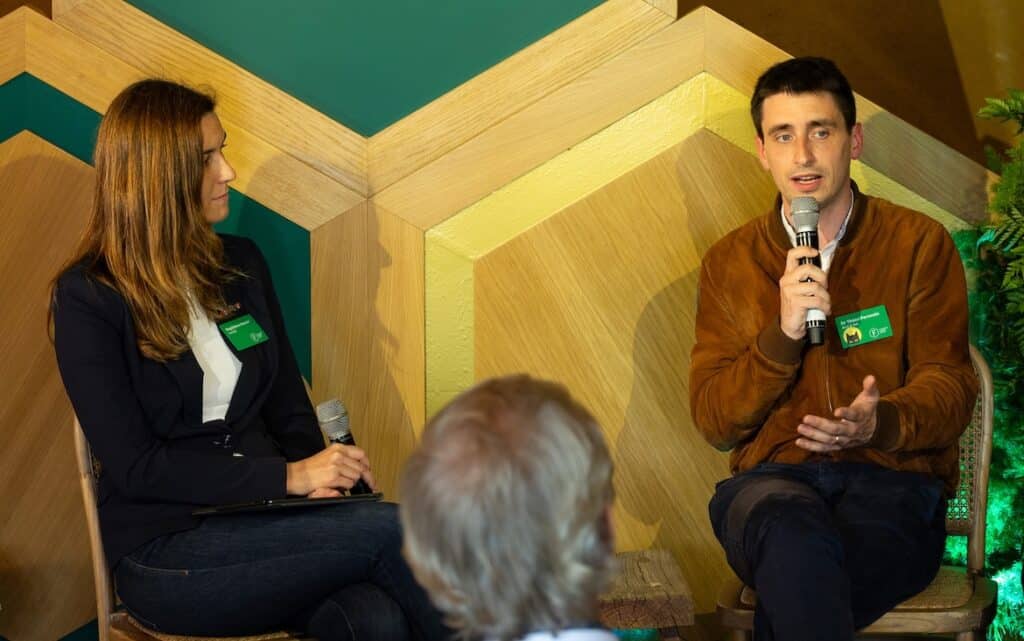
Cityblock Health’s Toyin Ajayi discussed if tech can bring humanity back to healthcare at FF Global, along with Flo Health’s Dmitry Gurski, ThirtyMadison’s Demetri Karagas, and Proximie’s Nadine Hachach Haram.
Dmitry Gurski, Flo Health

HQ: London, UK
Stage: Series C
Total Funding: $276m
FFs Attended: 10
Dmitry Gurski, along with leading healthtech founders, discussed how innovation can restore empathy, equity, and human connection in the future of care.
Bear Grylls, Mettle

HQ: London, UK
Stage: Seed
Total Funding: $3.3m
FFs Attended: 3
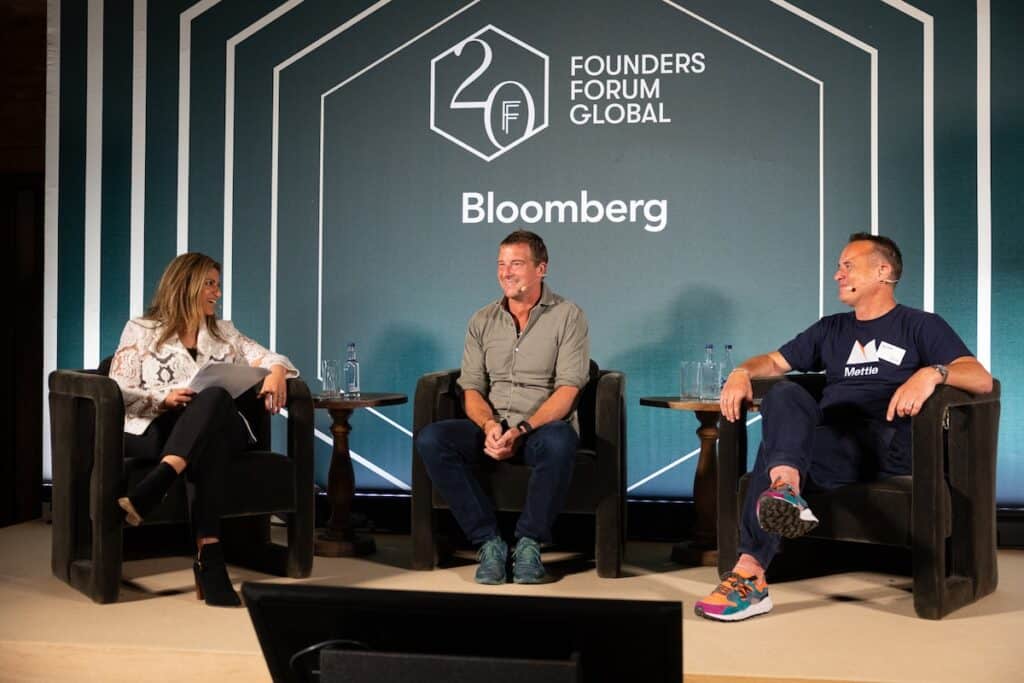
Mettle’s Bear Grylls discussed new approaches to improving men’s mental health, with his co-founder, Neil Smith, and Meridian Health Ventures’ Dr Pooja Sikka.
AI in Healthcare Technology is Already Here
In the US, two in three physicians now use AI in healthcare, and it’s already outperforming humans in diagnostic accuracy. In England, cancer detection rates have jumped 8% since AI-powered detection technology was introduced. Virtual care has become essential too, with 71% of US medical clinics now using AI for patient visits.
Money is flooding into the healthtech sector. Biotech and pharma received the second biggest VC investment globally in 2024, behind only enterprise software. Healthtech companies raised $25b in VC funding last year. Take Neko Health, Daniel Ek‘s AI-powered full body diagnostic scanner, which hit a $1.7b valuation just two years after launch.
Why Human Empathy Still Matters
As healthtech startups blaze trails in the industry, founders need to think about how growing autonomy affects the quality of care. Human empathy isn’t a nice-to-have in healthcare. It builds trust, enables therapeutic communication, and helps professionals navigate emotionally charged situations.
“Trust is disproportionately lower amongst communities of color, low-income folks, folks with mental health needs,” notes Dr. Toyin Ajayi, Founder of Cityblock Health. To change behaviours, you need to earn trust first. She set up Cityblock which uses a tech-enabled care model to deliver personalised medical care in underserved US communities, meeting people where they are.
In the UK, Ben Maruthappu’s Cera uses AI and automation to revolutionise home care. It has developed predictive tools to alert staff and prevent hospitalisations amongst ageing communities. Crucially, the technology enables carers to spend up to 25% more time directly with patients than industry averages. It has saved the NHS and UK Government over £1b to date.

The Hybrid Future of Healthcare
In a sector that is famously understaffed and overworked, AI is the likely answer, but it needs to be implemented intentionally to foster empathy and understanding.
Picture a hybrid model where healthcare technology can accurately interpret emotional data, communicate effectively through virtual platforms, and guide patients with empathy. This might look different to in-person care, but as advancing technology and training improve, our ability to communicate empathy virtually will get better.
Biometric devices can now detect anxiety and distress in patients, integrating with health records and using sentiment analysis to alert nurses when help is needed. The future of healthcare relies on this multidimensional approach, where AI and empathy merge together through what some call artificial empathy – technology designed to recognise and respond to human emotional needs.
Singapore-based Mobio Interactive has launched an AI-native remote patient support platform, using facial photoplethysmography and deep neural networks to monitor wellbeing. Blueskeye AI uses machine learning to objectively measure social, emotional, and medically relevant behaviour, and thymia is making mental health as monitorable as physical health. All three could be transformative.
Cityblock’s mantra captures this vision: “empathy married to technology.” Founders see the future of health as an AI-enabled industry where doctors actively shape digital health solutions. Technology will be used to streamline processes and enhance diagnostics, so that the doctors can provide the most effective, empathetic care possible.