
 All Posts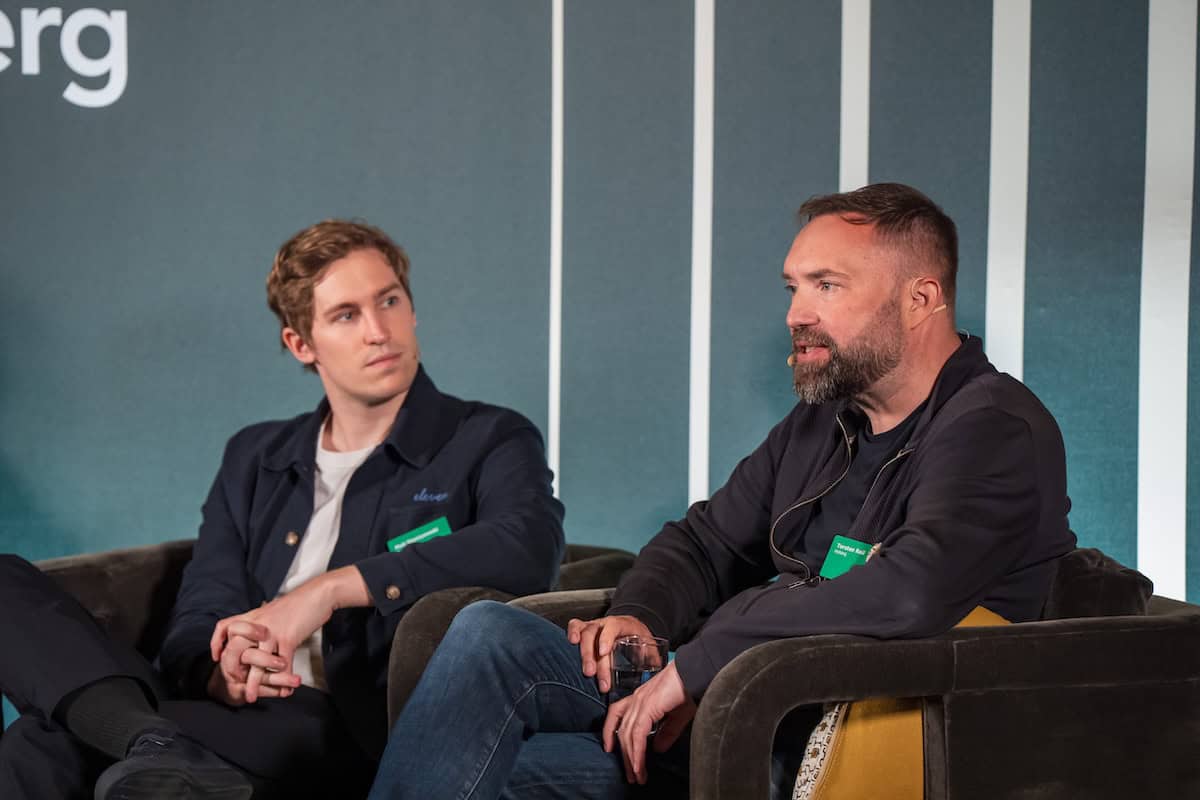
Last updated on September 17, 2025
The introduction of drones and AI has turned modern warfare on its head. Torsten Reil (Helsing), Florian Seibel (Quantum-Systems), and more defence tech experts at FF Global 2025 shared their views on Europe’s military future.
On June 1st 2025, a fleet of unmarked trucks carrying 117 Ukrainian drones entered Siberia. The drones launched, guided by remote operators and navigating their surroundings using vision-based autonomy. 20 Russian military aircraft were hit, 10 of which were destroyed.
Operation Spiderweb marked a critical moment in autonomous warfare. The attacks spanned five oblasts across five timezones, the furthest damage recorded reaching some 4,300km from Ukraine where the drone operators were based. They struck one-third of Russia’s strategic cruise missile carriers, damaging an estimated $7b, all with $2,000 drones.
Unmanned systems are operating all over European battlefields, and the technology is getting cheaper, more powerful, and more autonomous by the day. As Europe plans to ramp up its defence, leading defence tech founders at FF Global explored how it can keep up with the global competition.
Founder Spotlights
Torsten Reil, Helsing
HQ: Munich, Germany
Stage: Series D
Total Funding: $1.63b
FFs Attended: 13
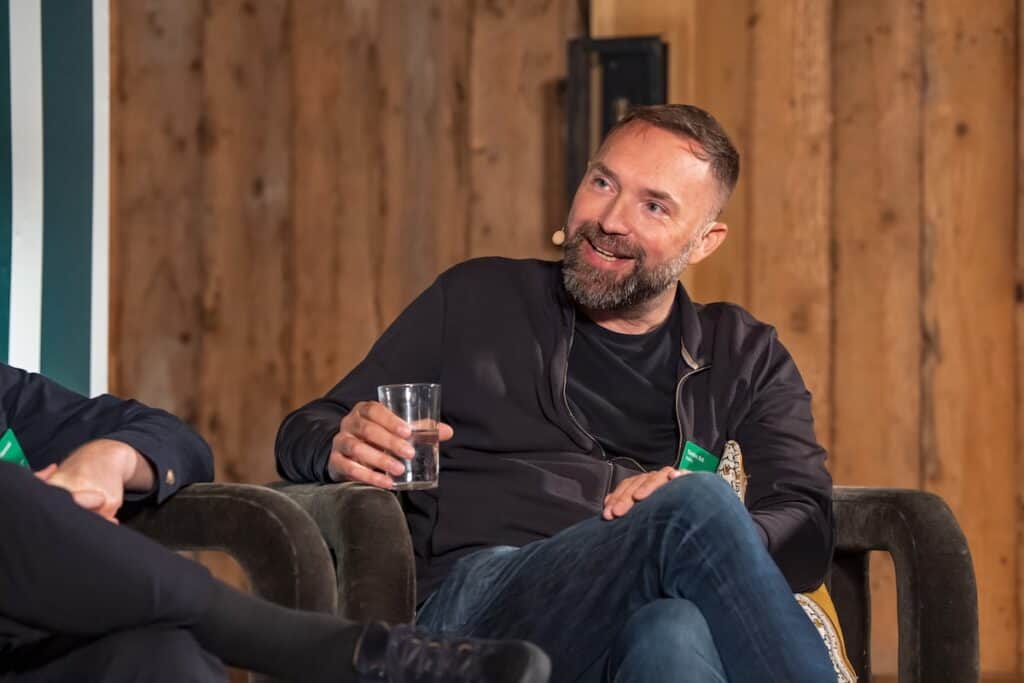
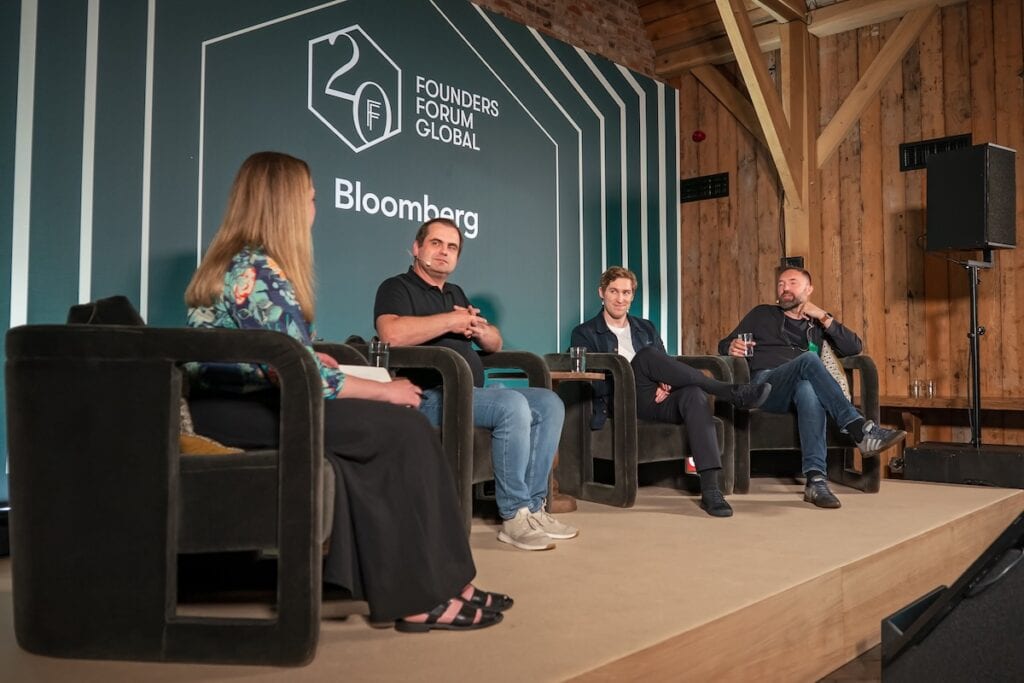
Helsing’s Torsten Reil sat with Ministry of Defence’s Henry Willi, and Google Ventures’ Tom Hulme, to discuss tech on the frontlines. They explored the investment shifts, and public-private models shaping the future of national security. Helsing just raised a €600 million Series D funding round, led by Prima Materia.
Florian Seibel, Quantum-Systems

HQ: Gilching, Germany
Stage: Series C
Total Funding: €310m
FFs Attended: 2
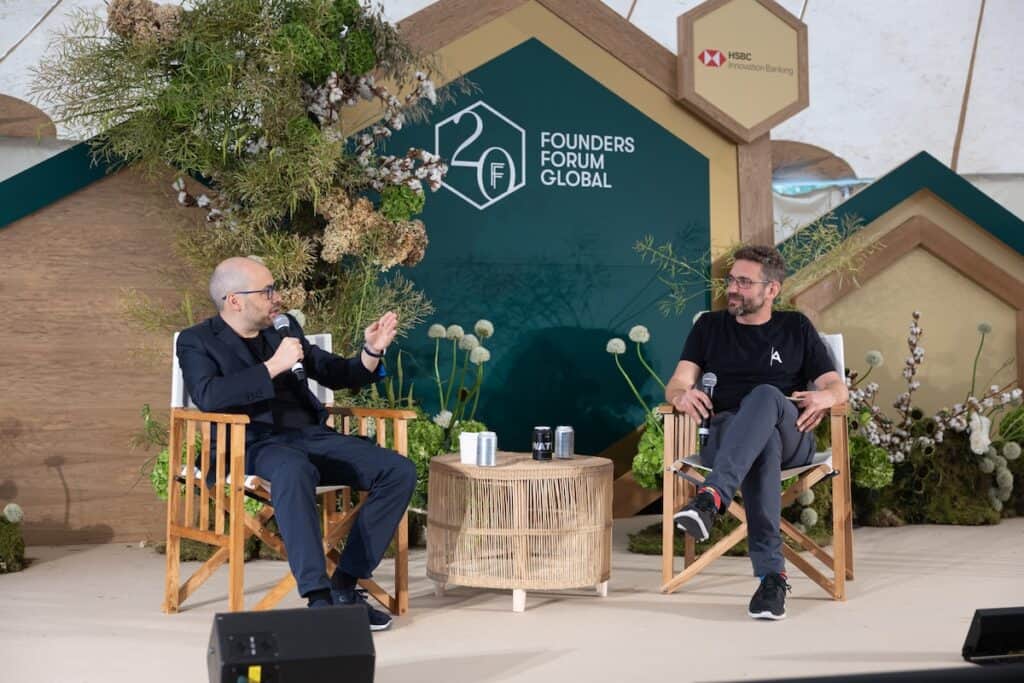
Quantum-Systems’ Florian Seibel sat down with Balderton’s Rana Yared to explore the next frontier of defence innovation.
The Technology Wars
On modern battlefields, the main weapon is no longer the tank, the missile, or even artillery — it’s AI, cyber, and drones. The global military drone market is expected to surge from $15.8b in 2025 to $22.8b within the next five years. In less than a decade, a third of advanced armed forces will likely be robotic.
In this context, European nations are producing more arms, investing more capital in defence, and evaluating their battlefield readiness. Europe’s defence initiative, ReArm Europe, is planning to mobilise up to €800b for defence investments with a focus on drones and AI.
Already, low-cost drones account for 80% of battlefield casualties in the Ukraine-Russia war. For Ukraine, they have proved to be twice as effective as every other weapon in their arsenal put together. Winning depends on who can innovate faster as each new drone or guidance system sparks a rapid countermeasure. With weapons updating within weeks, traditional procurement cycles are also being cast aside.
Plus, European defence tech pioneers are changing tack to focus on large-scale drone production. Alpine Eagle went from producing agricultural drones to military drones, and just closed a €10.25m Seed round. Similarly, at one manufacturer in Southern Belgium, missiles made for helicopters are being adapted for European drones.

Where Does Europe Stand in the Arms Race?
One big advantage of drones is that their low price allows for a high volume to swarm and attack, simulating the biological behaviour of birds or bees enabled by AI. Swarm technology was a big feature of Operation Spiderweb, and other major powers, particularly China, are pouring investment into swarms and autonomy.
Europe, however, is a fundamentally fragmented ecosystem operating across 27 member states. In 2023, collaborative military procurement in Europe averaged around 18% of defence spending, while the majority was spent at the national level, favouring domestic ventures over joint projects.
Despite plans to free up capital for defence spending, Europe struggles with slow and intricately regulated procurement, a risk-averse culture, and rising competition from other global powers.
Countries operating in siloes also make it difficult for innovative defence firms to break through. Defence tech startups face high barriers to accessing finance compared to other sectors, and the size of this financial market remains limited in Europe, compared to the US, affecting Europe’s ability to provide weapons and roll out new technologies.
Cultural Reset
To fully grasp the opportunity to lead the technological arms race, Europe will need a stark cultural reset.
New, experimental technologies built by Ukraine’s persistent startup community prompted their military innovation. Europe should follow suit, starting with a re-evaluation of its artillery, as procurement still focuses on Cold War-style ships, jets and tanks. Whilst these are important, the added layer of new, smaller, cheaper, and equally effective machinery is crucial.
Europe has the engineering talent, growing capital, and urgency, and is seeing an increasing acceptance for defence tech careers. There’s also a growing ecosystem of maturing defence tech startups like Torsten Reil’s Helsing, which just raised a €600m Series D led by Prima Materia. European firms also employ hundreds of people in Ukraine, providing direct operational support.
To avoid the risk of falling behind, Europe needs proper cross-border coordination and a collective drive to bolster its standing in the autonomous war race.
The risk-averse procurement culture demands a strategic rethink; it is technological cycles and innovation, not troop numbers, that decide survival.