 All Posts

Last updated on October 20, 2026
Every founder’s story is different. The lessons often aren’t. Drawing on the founder confessions in the UK Exit 50, Deodosia Chen of Coutts Business Growth & Exits sets out the patterns that repeat across successful exits and liquidity events.
After decades of working with founders before, during and after liquidity events of all kinds, we’ve noticed that while no two journeys are identical, the questions that matter most are remarkably similar.
The founder confessions in the UK Exit 50 report speak candidly about the realities behind the headlines: the equity decisions that resurface years later, the deals that wobble unexpectedly, the challenge of communicating with teams, and the identity shift that follows a sale. We’ve heard these experiences many times before, and they reveal a number of patterns.
1. The most successful exits start long before an opportunity arrives
The founders who navigate liquidity events with the greatest confidence have usually decided what success means before an opportunity presents itself. Valuation matters, of course, but so do questions about employees, mission, control, future growth and life afterwards.
The businesses that attract the strongest opportunities, whether from acquirers, investors or the public markets, are usually those prepared to operate without their founder at the centre of every decision. Preparation rarely guarantees an outcome, but it almost always creates more and better choices.
Building a trusted advisory team can be just as important as preparing the business itself. Founders who engage experienced advisers early can identify blind spots, understand likely buyer motivations and are better placed to negotiate from a position of strength.
A transaction may be negotiated on paper, but its consequences are experienced by people. We’ve seen founders accept lower offers because they believed a buyer would be a better custodian of their business. Others have walked away because the cultural fit wasn’t right. Those decisions are rarely reflected in the headline valuation, but they often shape how founders feel about the deal years later.
2. Liquidity is a spectrum, not an event
For many founders, liquidity is no longer a single moment marked by a press release and funds arriving in their account. Increasingly, wealth is created over time through a combination of secondary sales, minority investment, recapitalisations and eventual exits.
A secondary sale might provide enough liquidity to ease personal financial pressure long before a full exit. A strategic investor may create new growth options while allowing founders to retain ownership and control. Equally, the moment of maximum company value is not always the moment that best serves a founder’s personal objectives.
Founders often underestimate how quickly circumstances can change. The offer that seems inevitable may never materialise. An unexpected opportunity can emerge long before anyone anticipated. Founders who understand their options before they need them tend to make better decisions when those moments arrive.
3. Prepare yourself as well as your business
Your own journey is as important as the business you’ve built. Long before a liquidity event, whether it’s a secondary sale, strategic investment, acquisition or IPO, it’s worth thinking about how your personal finances fit alongside your ambitions as a founder.
For many founders, wealth can become heavily concentrated in a single business. A liquidity event presents an opportunity to diversify, create financial security for yourself and your family, and give you more freedom to decide what’s next – whether that’s continuing to scale the business, starting something new, investing in other founders or pursuing personal goals. These conversations are often just as important as discussions around valuation, growth or deal structure.
4. Success after liquidity is about purpose, not wealth
One of the most common observations we hear from founders is that reaching financial independence doesn’t provide the sense of arrival they expected. For years, the business has supplied purpose, challenge, structure and identity. When a significant liquidity event occurs, new questions often emerge. What role should work play in the next chapter? How much risk should you continue taking? What impact do you want your capital, experience and network to have?
The founders we meet rarely retire. More often than not, they build again, invest in others or devote more time to the causes and people they care about. Liquidity may provide freedom, but purpose is what gives that freedom direction.
Perhaps the most important lesson from these stories is that successful exits and liquidity events are rarely defined by the transaction itself. They’re defined by the choices founders make before and after it.
Read the founder stories in full in the UK Exit 50 report here.
If you’re thinking about an eventual exit, considering a secondary sale, exploring strategic investment or simply planning ahead, Deo would love to continue the conversation: Deodosia.Chen@Coutts.com
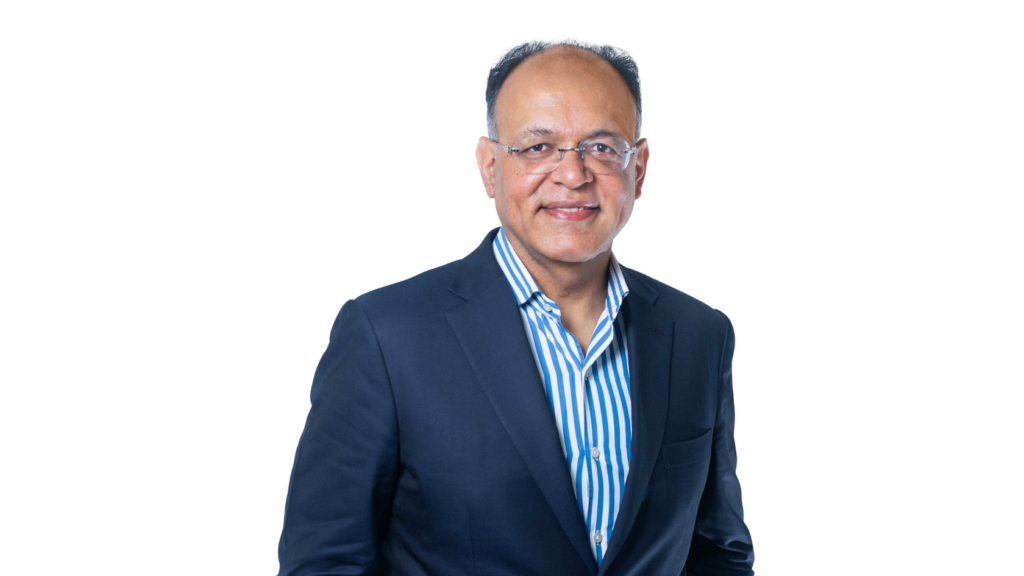
Deodosia Chen, Associate Director, Coutts Business Growth & Exits